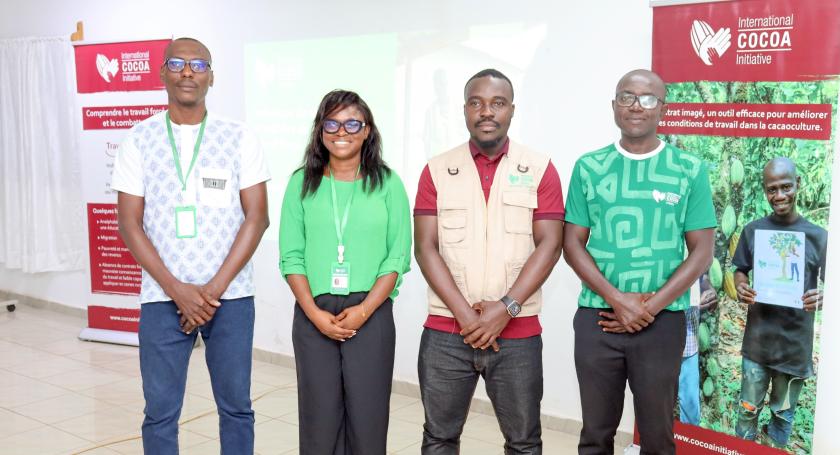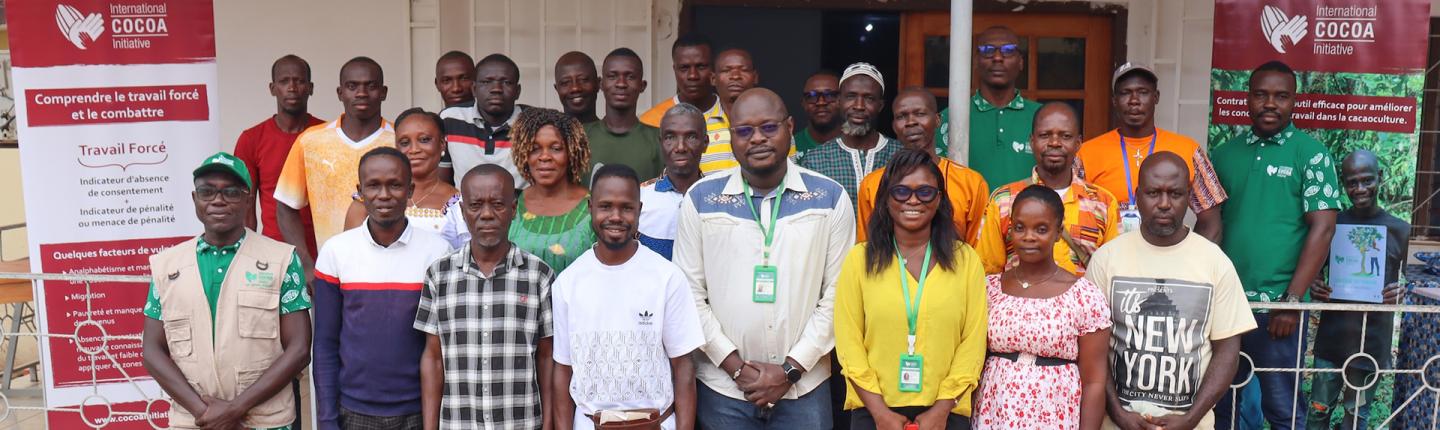
“In my village, there are often disputes between producers and workers. And workers were forced to put up with it. But I learnt during this training that workers also have rights and that the community committee is there to help everyone.” says Zongo Lassane, a representative of the producers in Léhiri-Penda, a village in the Divo department of Côte d’Ivoire.
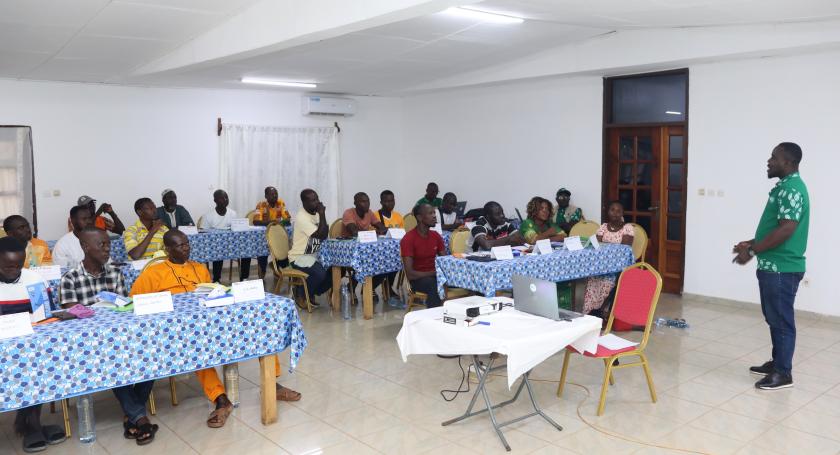
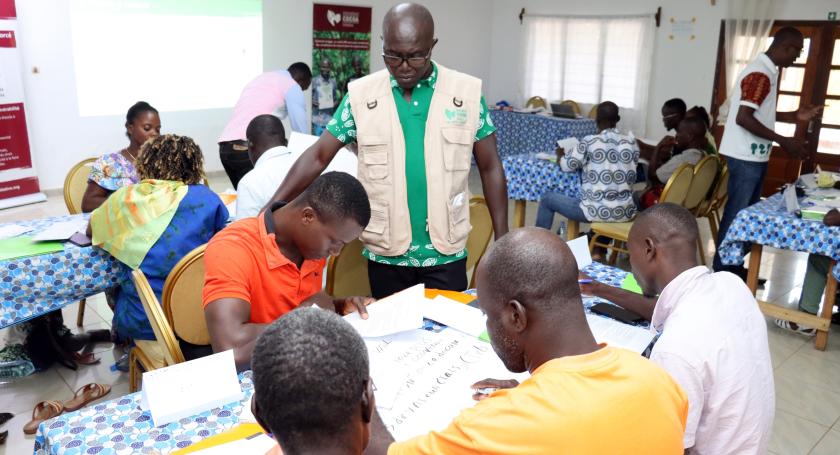
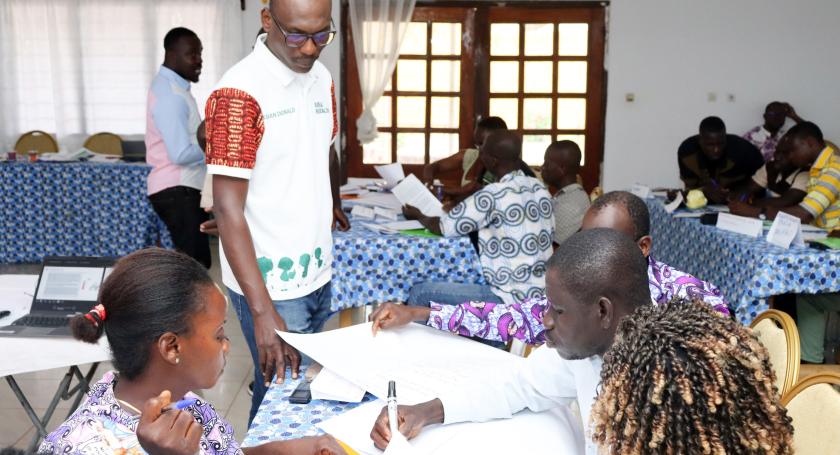
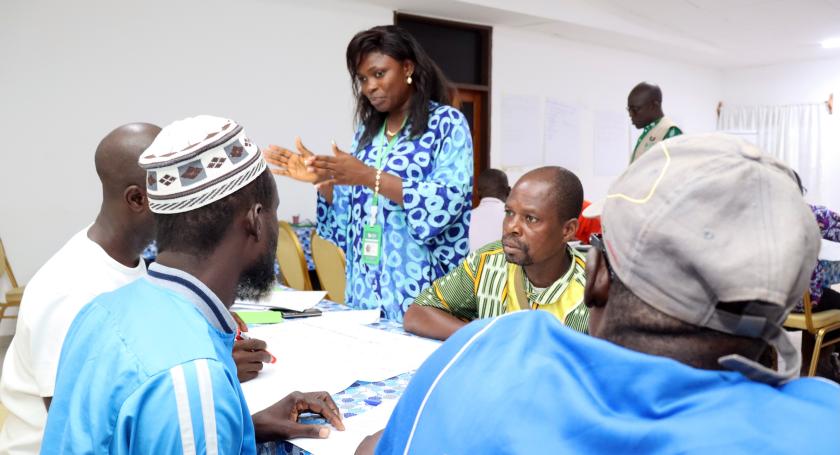
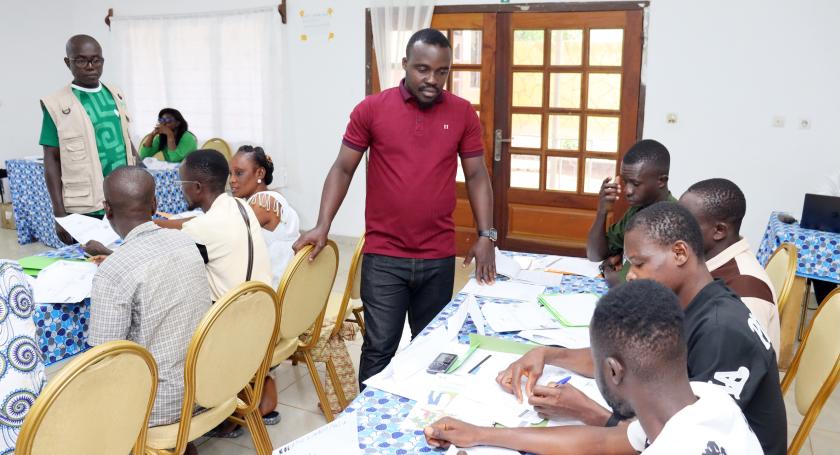
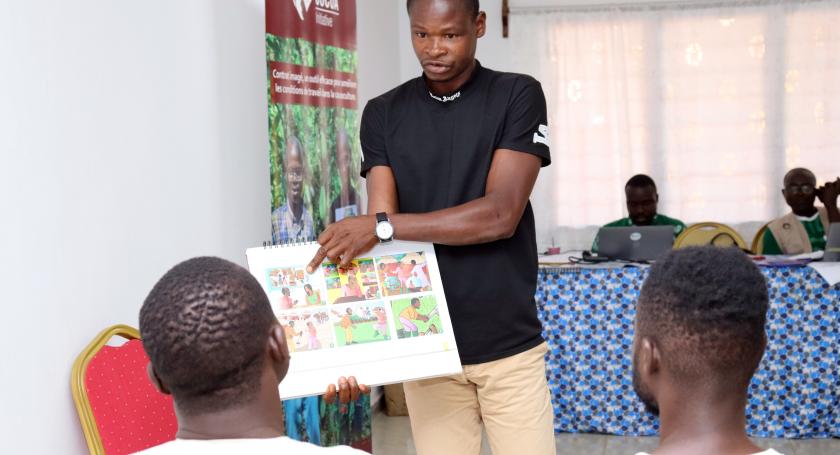
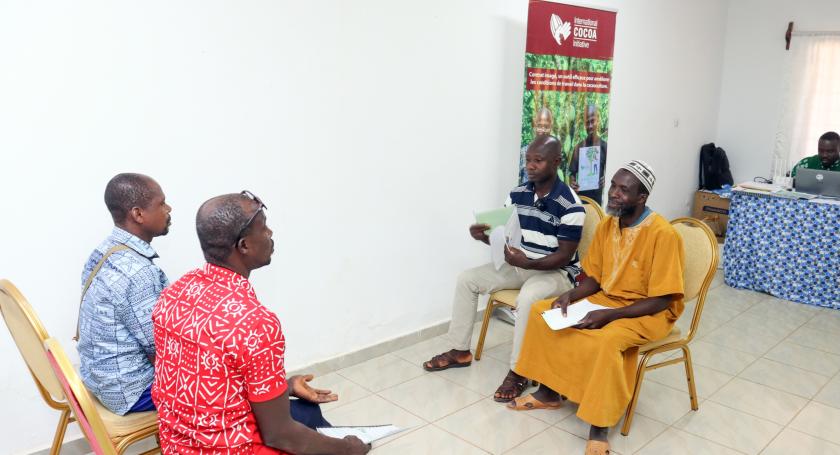
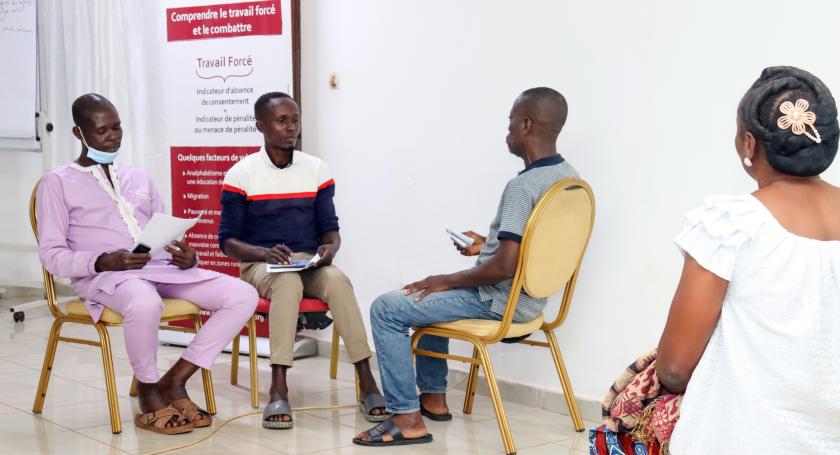
Like him, 19 other participants from the towns of Divo and Lakota, representing three localities, were trained in August 2026 in Divo during a capacity-building workshop for members of the Community Human Rights Committees. The event was held as part of the wider fight against human rights abuses and, more specifically, the fight against forced labour in cocoa supply chains in Côte d’Ivoire. Topics covered during the seminar included an introduction to human rights and children’s rights, child labour, the worst forms of child labour, child safeguarding and protection, forced labour of adults and children, and the role and responsibilities of Community Human Rights Committees.
A Community Human Rights Committee, as its name suggests, is made up of a representative from every social group within the community. These include a representative from the traditional leadership, employers/producers, agricultural workers, religious leaders, women, young people, and a representative from among the other influential religious leaders of that community.
The establishment of a Community Human Rights Committee is governed by specific criteria for the selection of its members. They must have a recognised commitment to social causes, be sensitive to human rights issues, demonstrate a willingness to participate in the activities to be carried out, and at least one member of the committee must be able to read and write.
At the end of the workshop, Kpéhi Agathe, a representative of the women of Léhiri-Penda, shared her thoughts:
“I have learnt here that children should not be doing hazardous work, but rather light work. Once I’m back in my village, I’ll report back to the women and tell them that it is out of ignorance that many labourers work without a contract,’ she said.
For Liazié Bi Gohi Jean Paul, representative of the religious leaders, the training was beneficial. On this subject, he stated: ‘I am now committed to raising awareness within my community to bring about a change in behaviour. Because before this training, I was completely unaware of what child labour and forced labour entailed.”
Following these training sessions and once they are up and running, the Committees will work to provide communities with an accessible forum for listening to and managing complaints. They will be tasked with directly supporting the formalisation of employment relationships (employer-worker contracts), managing complaints and raising awareness of human rights, decent work and the fight against forced labour.
Find out more about how to set up community based grievance mechanisms in our Learning into Action: