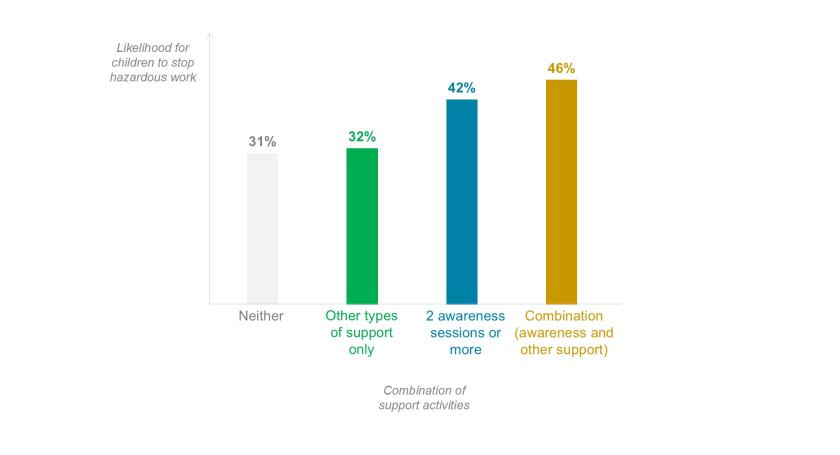
An analysis of CLMRS data shows that children are most likely to stop hazardous work when they receive at least two awareness-raising sessions alongside other types of support.
Child Labour Monitoring and Remediation Systems (CLMRS) are child-centred support systems, designed to identify children in, or at risk of, child labour and provide support to improve their situation.
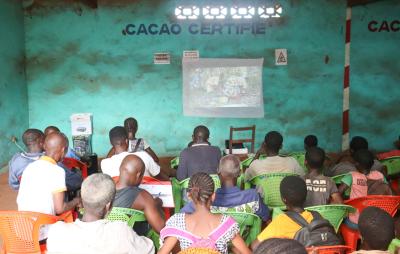
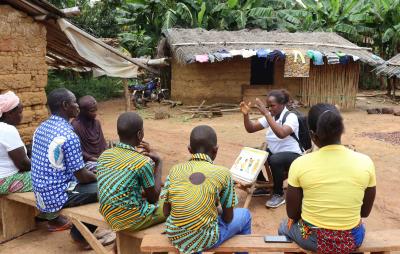
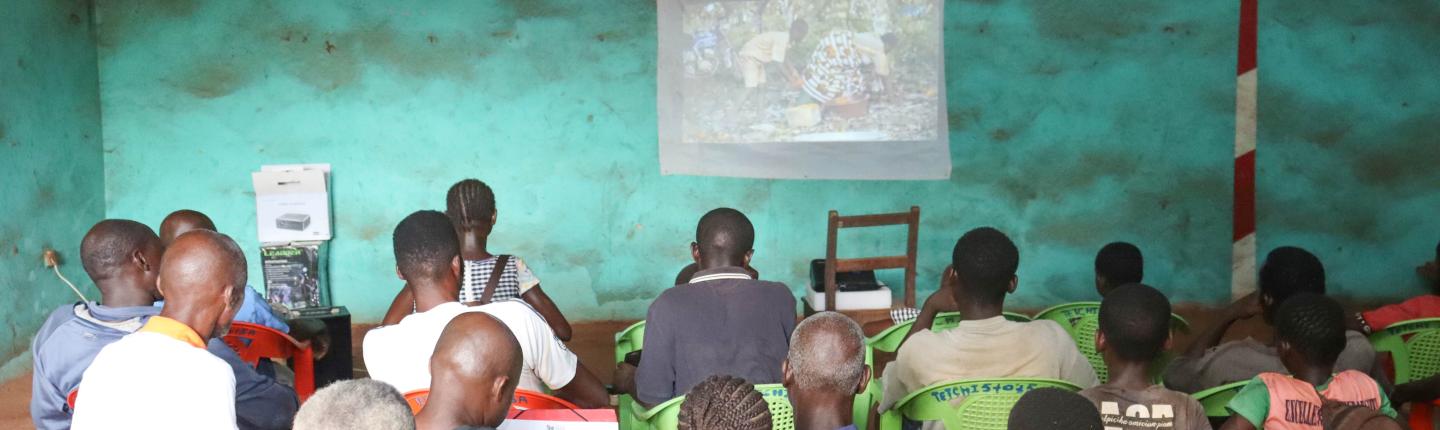
Child labour is driven by a range of factors, including limited awareness of the dangers of child labour, social norms and a lack of resources or access to practical alternatives. To address these different factors, CLMRS provide various forms of support. One key element is awareness-raising, which helps families understand the dangers of child labour and the importance of education. CLMRS also provide other types of support that give households access to practical alternatives and services to help protect children and facilitate their schooling. Examples include cash transfers, community-based adult labour groups and bridging classes for out-of-school children.
One of the key decisions CLMRS implementers face is determining which support measures to provide. To help inform these decisions, ICI analysed data from selected CLMRS to explore whether CLMRS should prioritise awareness-raising, other types of support, or a combination of both, to help children stop engaging in hazardous work.
What did the analysis find?
The analysis examined data from children previously identified in hazardous child labour, looking at whether they had stopped engaging in hazardous work during two consecutive follow-up visits.
Children were grouped according to whether they had received at least two household-level awareness-raising sessions, other types of support, both awareness-raising and other types of support or neither.
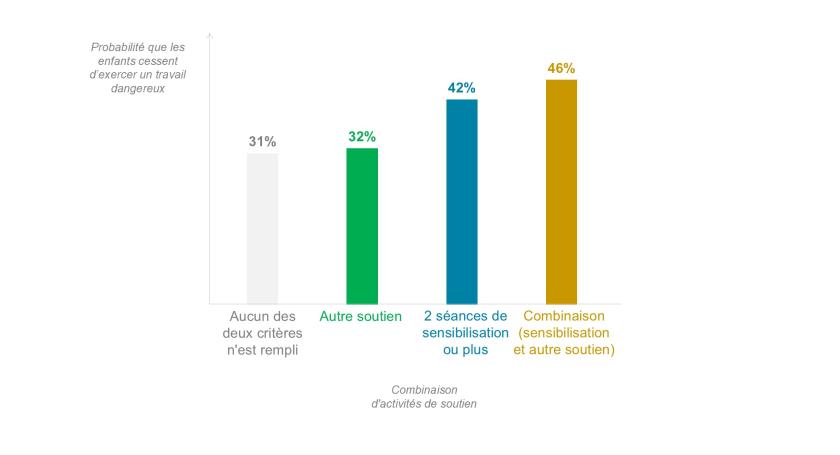
The likelihood of a child stopping hazardous work varied considerably depending on what combination of support they received, as shown in the graph below. Children who received at least two household-level awareness-raising sessions alongside other types of support had the highest predicted likelihood of stopping hazardous work – 14 percentage points higher than those who received other types of support only.
What does this mean for CLMRS implementers?
These findings highlight the importance of awareness-raising as part of the support provided through CLMRS and suggest that awareness-raising and other types of support should be seen as complementary measures rather than alternatives.
*The analysis draws on data from CLMRS in which ICI has been involved in some aspect of implementation